How can shippers locate dependable cold storage and frozen fulfillment partners?
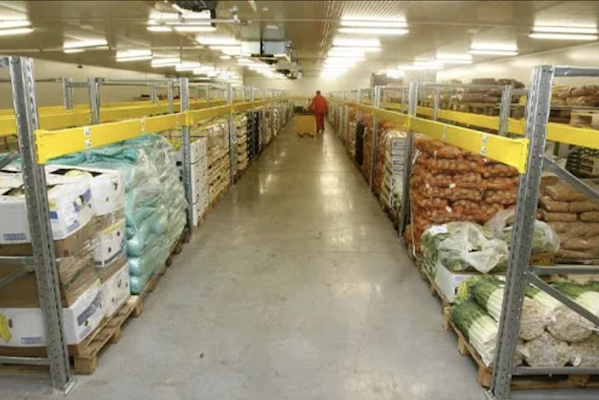
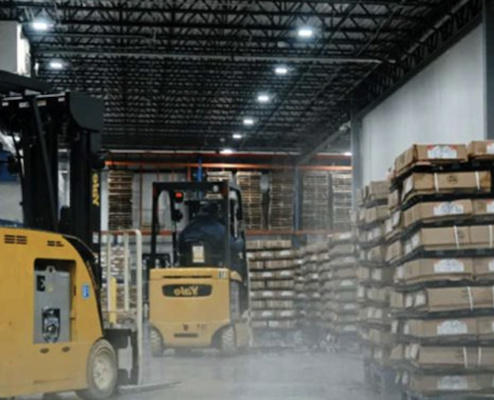
Enterprises that handle frozen or temperature-reactive items often require unique partners that extend beyond conventional warehousing. Through WareMatch, shippers can connect with companies providing services such as cold storage, refrigerated warehousing, frozen food fulfillment services, specialized logistical solutions, and 3PL cold chain logistics. Numerous providers also facilitate Amazon FBA frozen products, offering freeze kitting, cold storage and distribution, and specialized freeze transportation to preserve product quality throughout the supply chain.
For instance, businesses like We Store Frozen focus on cold chain logistics and temperature-controlled storage solutions designed for those who need reliable frozen shipping, cold storage warehouse in Houston, and temperature-tailored warehousing options throughout Texas. Using the logistics marketplace of WareMatch enables brands to compare specialized cold storage 3PL providers, expedite the quoting process, and identify logistics partners catering to their operational compliance requirements.
What is cold chain logistics, and why is it essential for 3PL fulfillment?
Cold chain logistics involves the thorough stewardship of temperature-sensitive items throughout a regulated supply pipeline, spanning from manufacturing and warehousing through to shipping and final delivery. Within a 3PL fulfillment framework, maintaining a cold chain means ensuring a product remains within its specified temperature parameters throughout each transfer point. Any lapse in the cold chain could potentially compromise the safety, saleability, or adherence to regulatory standards, particularly in the sectors of food and pharmaceuticals.
What are the recognized temperature zones utilized in cold chain warehousing?
Cold chain warehousing is typically categorized into four key temperature ranges:
Frozen: -18°C (0°F) or colder (e.g. ice cream, seafood)
Refrigerated (Chilled): 2°C – 8°C (36°F – 46°F) (e.g. fresh produce, vaccines)
Controlled Room Temperature (CRT): 15°C – 25°C (59°F – 77°F) (e.g. chocolate)
Deep Freeze: -70°C to -20°C (e.g. mRNA vaccines, biologics)
What constitutes 'cold chain integrity', and what causes disruptions?
Cold chain integrity ensures that a temperature-sensitive item has persistently remained within its designated temperature range throughout the logistical journey from origin to destination. A 'cold chain break' denotes the occurrence of the product being subjected to temperatures exceeding its acceptable range. Commonly, this situation arises due to equipment malfunction, inappropriate loading under normal environmental conditions, delays during cross shipment, or inadequate packaging during shipping.
What are the implications of the Food Safety Modernization Act (FSMA) on cold chain 3PL providers?
The Food Safety Modernization Act (FSMA) is an FDA regulation constraining 3PL providers to uphold sufficient temperature controls during food storage and transportation. More specifically, the Sanitary Transportation Rule (21 CFR Part 1, Subpart O) obligates documentation for temperature monitoring, employee training, and meticulous record-keeping to secure food safety.
What does Good Distribution Practice (GDP) signify and which products fall under its requirement?
Good Distribution Practice (GDP) represents a standard of quality that guarantees medicinal items are persistently stored and managed within their required conditions. GDP applies to prescription drugs, vaccines, medical kits, and materials for clinical trials. 3PL service providers catering to pharmaceutical sectors must sustain GDP-compliant facilities, maintain temperature tracking, and ensure comprehensive deviation handling.
What is temperature mapping, and why is it essential for cold chain warehouses?
Temperature mapping refers to a systematic evaluation that gauges and records temperature distribution within a storage facility to pinpoint areas that may be too hot or too cold. This practice is mandated by USP <1079> and GDP regulations to confirm that all sections of a warehouse reliably uphold the required temperature ranges, regardless of adverse situations like door operations or fluctuations in power.
What kind of infrastructure is necessary for a cold chain warehouse to maintain product quality?
A compliant cold chain warehouse should possess redundant refrigeration systems, emergency backup power sources (generators), temperature-controlled delivery zones to mitigate exterior exposure, and continuous monitoring setups with automated alerts. Facilities must additionally include certified storage regions, validated by documented temperature mapping research.
What fallback systems ought to be in place for equipment failures in a cold chain 3PL?
Modern 3PL cold storage services need to operate with standby generators that automatically engage during outages, have redundant compressors assigned to each temperature zone, and implement continuous monitoring systems sending real-time alerts to responsible personnel if temperature regulations are breached. Shippers should always verify a platform's historical performance data and the frequency of deviations before forming partnerships.
Which technologies are utilized to oversee temperature in cold chain facilities?
Current cold chain operations employ IoT-enabled, wireless sensors for instantaneous data communication, standalone recorders for shipment-level evidence, and cloud-based solutions that consolidate data and forge compliance reports. In the realm of pharmaceuticals, all monitoring devices need to be calibrated and traceable to nationwide standards such as NIST.
What constitutes a temperature excursion, and how should a 3PL manage such a situation?
A temperature excursion is identified when a product deviates from its specified temperature range. A compliant 3PL’s response should include an immediate quarantine of the affected product, conducting a root cause analysis, timely notification to clients (typically within a few hours), and a thorough stability evaluation to ascertain if the item remains viable for sale or utilization.
How does WareMatch support firms in locating certified cold chain 3PL providers?
WareMatch provides capabilities for shippers to filter 3PL partners based on specific temperature zone specifications (Frozen, Refrigerated, CRT) as well as verify essential credentials like SQF, BRCGS, FDA Registration, and GDP. Our platform enables businesses to solicit competitive proposals from pre-approved partners who boast documented expertise in their specialized industry sectors.
Is it possible for WareMatch to match companies with 3PLs serving both food and pharmaceutical sectors?
Absolutely. WareMatch identifies 3PL partners that hold dual certifications, including SQF (for food safety) and GDP (for pharmaceuticals). This is particularly useful for brands with varied product lines, like functional foods or nutraceuticals, which demand distinct compliance regulations within a unified logistics setup.
What elements should I consider when selecting a cold storage supplier?
You should take into account aspects such as location, current capacity, utilized technology, service standards, and compliance with industry regulations when choosing your provider.
Can WareMatch assist with cold storage logistics internationally?
Yes, WareMatch extends its services to businesses seeking cold storage solutions not only in the U.S. and Canada but also on a global scale to facilitate your logistical requirements.